Buying a used vehicle is partly an evaluation of what you can see and partly an investigation of what you cannot. Paint condition, tire wear, cabin quality, and a test drive matter, but they only describe the car today. A VIN report adds historical context by organizing records associated with the vehicle’s unique identification number.
That context can change the way you inspect the car, negotiate the price, or decide whether to walk away. It can also help you ask better questions. Instead of accepting a general statement such as “the car has always been reliable,” you can compare the seller’s explanation with title events, mileage readings, ownership changes, accident indicators, and previous listings. For buyers who want a structured starting point, the Sales Title Meter package comparison shows the available levels of report detail.
What is a VIN report?
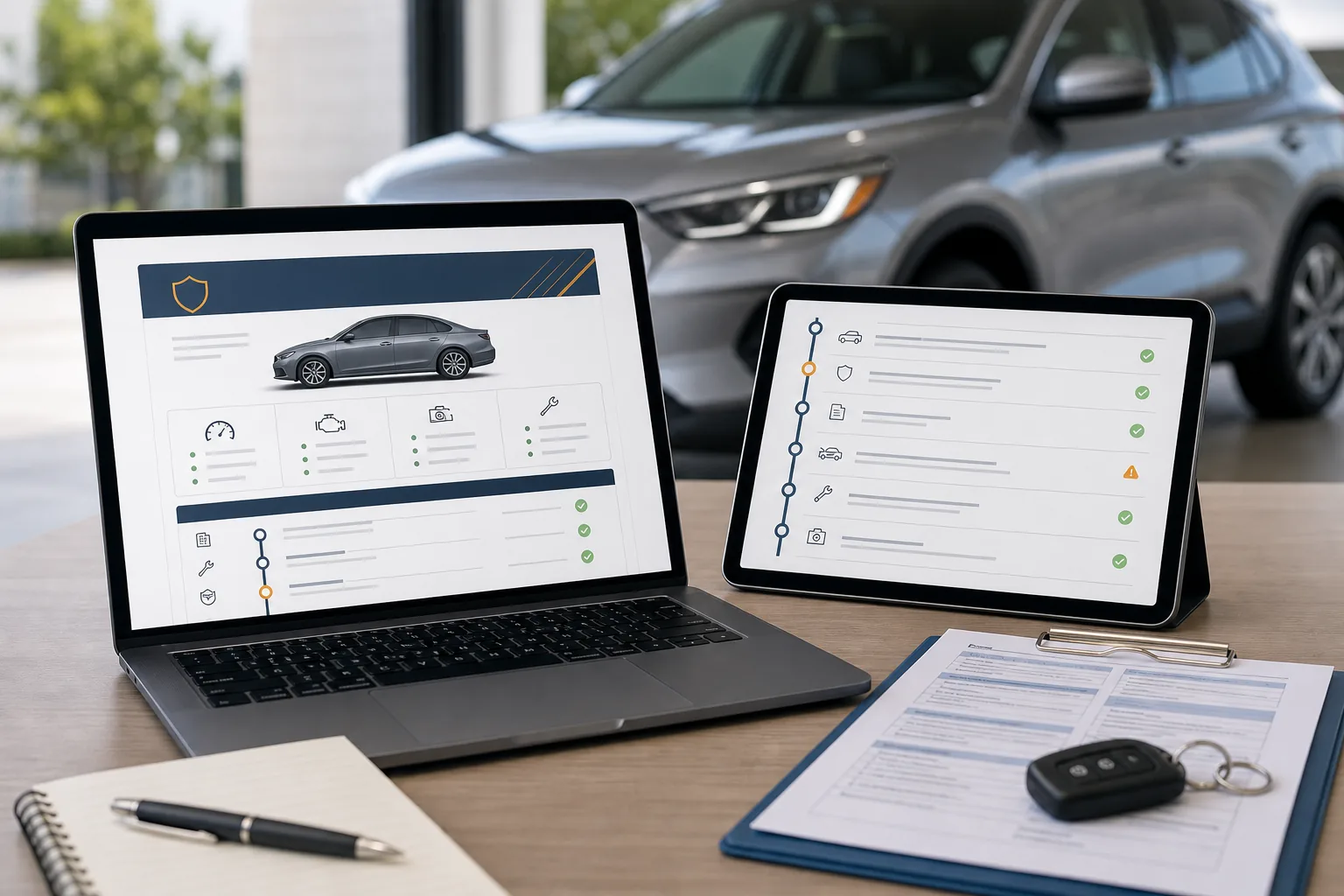
A modern vehicle identification number is a 17-character identifier assigned to a specific vehicle. A VIN check uses that identifier to locate and organize available records. Depending on the vehicle, jurisdiction, source participation, and selected report, the result may include specifications, title history, ownership events, odometer readings, insurance or damage indicators, auction activity, and sales listings.
The phrases VIN report, vehicle history report, and used car report are often used interchangeably. In practice, the important question is not the label—it is the scope of the records, how clearly they are presented, and whether the report helps you verify the seller’s claims. Our guide to VIN reports versus vehicle history reports explains the terminology in more detail.
Its greatest value is often identifying areas that deserve closer inspection, documentation, or clarification before you commit.
Why a good-looking used car can still carry risk
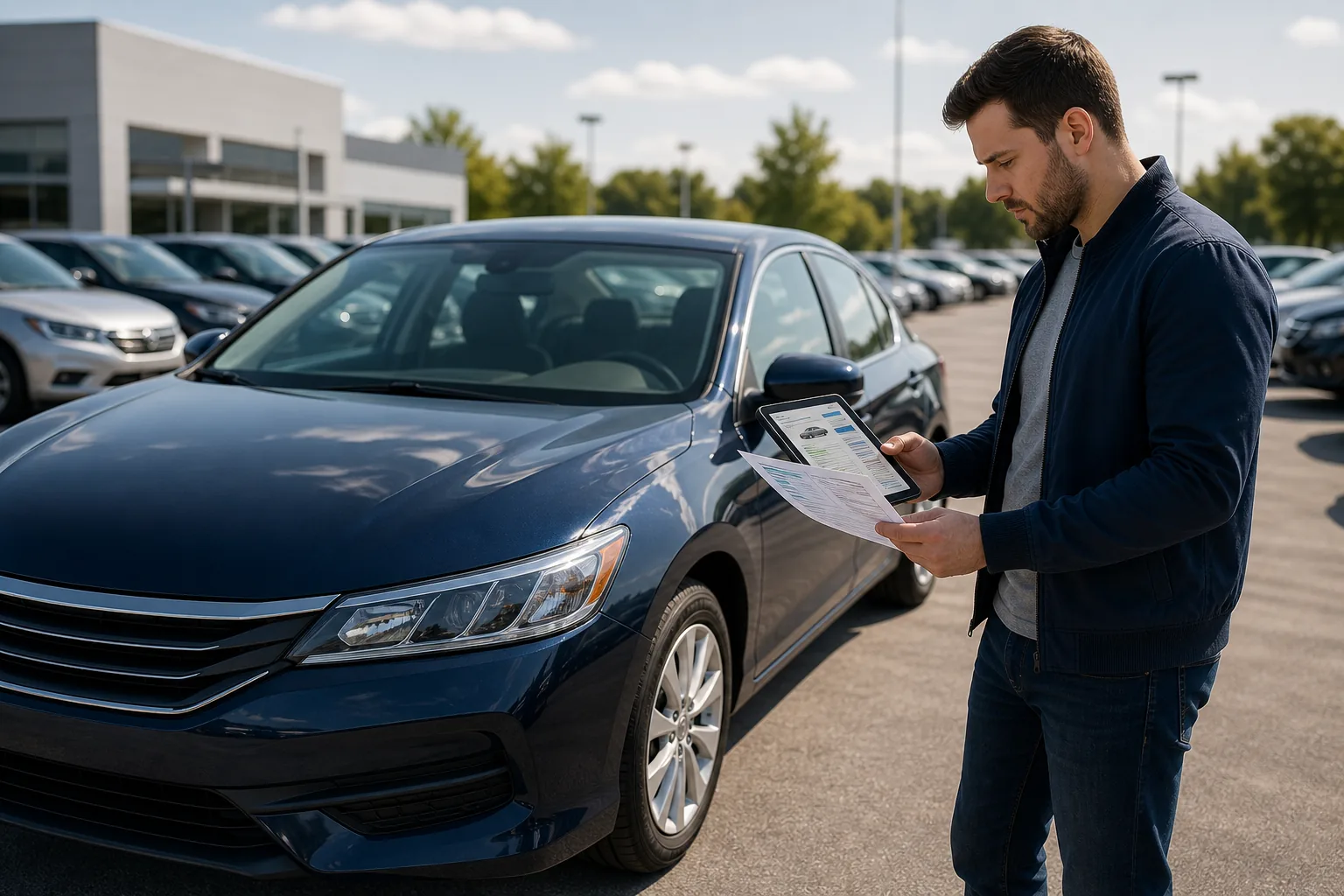
Professional detailing can make almost any vehicle look more appealing. Fresh paint can conceal prior bodywork. A cleaned engine bay does not prove consistent maintenance. A smooth ten-minute drive may not expose intermittent mechanical problems. Even a polite, knowledgeable seller may not know everything that happened under a previous owner.
A vehicle history report gives you another layer of evidence. Suppose a seller describes a sedan as a two-owner vehicle with no major incidents. If the report shows repeated title transfers within a short period, an auction listing with visible damage, or mileage that does not follow a logical progression, you have a reason to pause. None of those details automatically proves the car is unsuitable, but they can affect value and the amount of due diligence required.
Key records to review before buying
Title history and title brands
A vehicle title report can reveal title events and brand indicators such as salvage, rebuilt, flood, junk, or total loss, where those records are available. Title terminology and rules vary by jurisdiction, so a brand should be investigated rather than interpreted in isolation. Learn more in our guide to spotting hidden title issues.
Odometer and mileage records
Mileage entries collected over time should generally move upward in a sensible sequence. An unexplained decrease, a sudden jump, or a long gap may deserve questions. Data-entry mistakes happen, so one odd reading is not automatic proof of odometer fraud. Compare the report with service invoices, inspection stickers, dashboard wear, and the current odometer.
Accident and damage information
Collision records can help you focus an inspection on repaired areas. The severity and quality of repair matter more than the mere existence of an incident. A minor bumper repair is different from structural damage or airbag deployment. Our accident history and damage records guide explains how to interpret these signals responsibly.
Ownership, registration, and use patterns
Ownership history may show how often the vehicle changed hands and where it was registered. Frequent transfers are not always negative—dealer inventory movements can appear as events—but a complicated timeline should be reconciled with the seller’s documents. Commercial, rental, fleet, or other use indicators may also influence expected wear.
Listings and auction history
Previous listings can be especially revealing when they include mileage, asking price, location, or photographs. They may show that a vehicle was recently advertised elsewhere, moved between sellers, or presented in a different condition. Auction activity can add context about how the vehicle entered the current market.
How to use a VIN report in the buying process
Run the report before paying a nonrefundable deposit. Begin by confirming that the VIN on the dashboard, door jamb, title, registration, and seller’s listing all match. A mismatch may be an innocent typing error, but it must be resolved before proceeding.
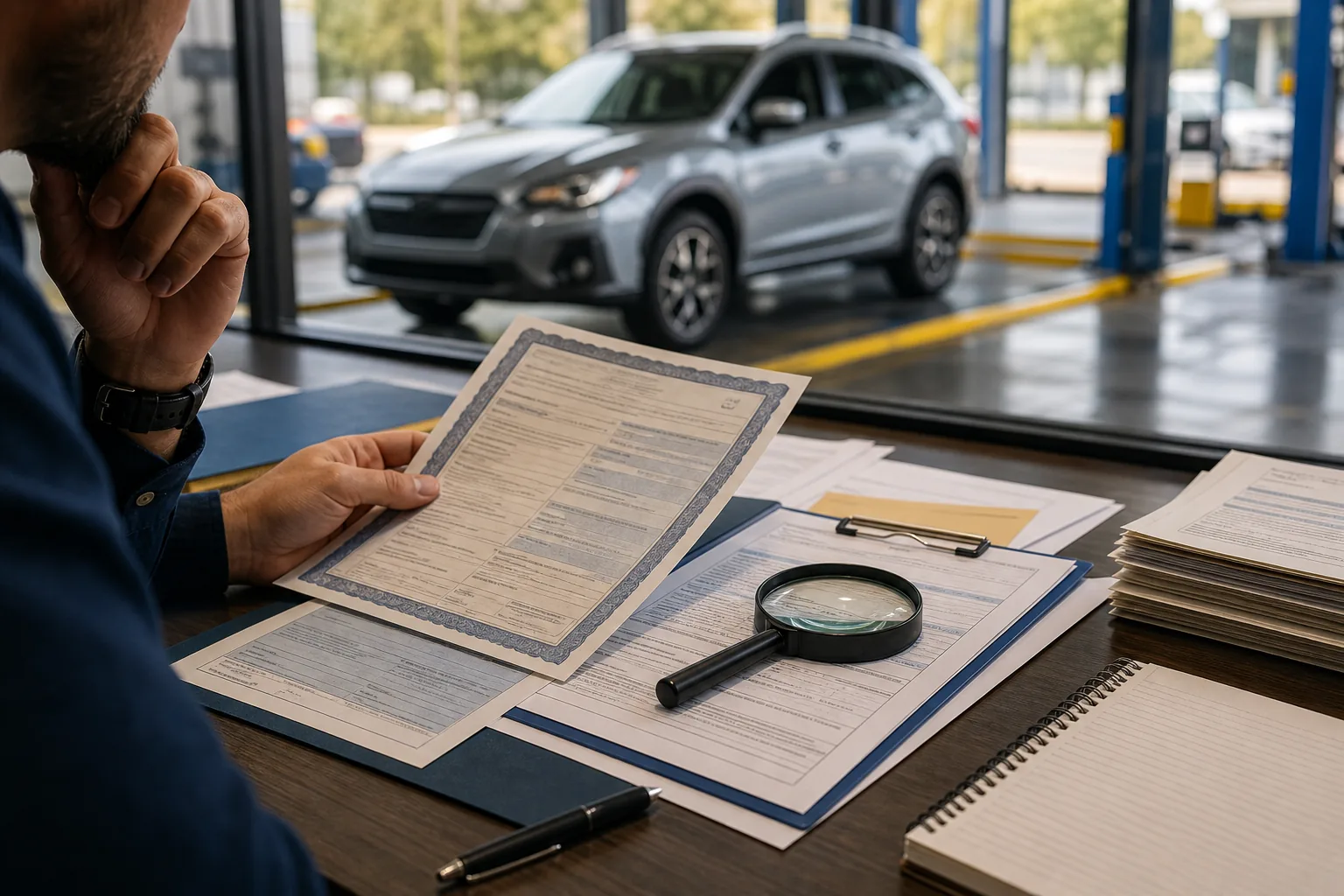
Next, read the timeline from oldest to newest. Mark any title event, mileage entry, ownership transfer, damage indicator, or listing that needs explanation. Send the seller a concise list of questions and ask for supporting documents. A trustworthy seller should be willing to discuss material history and provide maintenance, repair, or ownership paperwork when available.
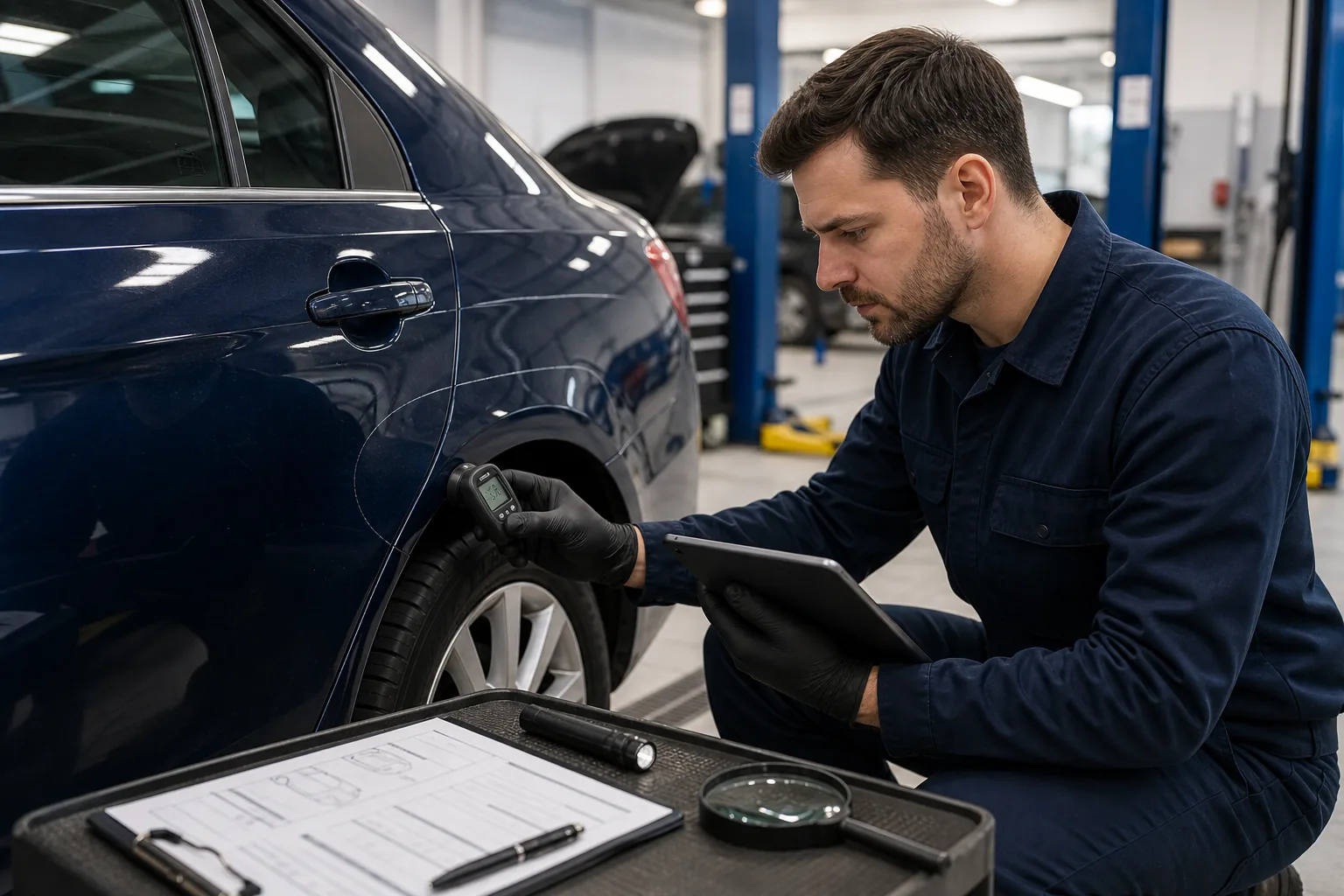
Use the findings to brief an independent mechanic. If the used car report suggests left-front damage, for example, ask the inspector to check panel alignment, paint thickness, suspension components, welds, and diagnostic codes in that area. The report turns a general inspection into a more focused one.
What a VIN report cannot tell you
No database contains every event. Repairs paid in cash may never be reported. Record availability varies by state, source, vehicle age, and reporting practices. A clean report does not guarantee a clean vehicle, and a historical record does not describe the quality of a current repair.
A report also cannot verify present mechanical condition, remaining tire life, fluid quality, hidden corrosion, or how the transmission behaves after an extended drive. For those questions, you need a physical inspection and test drive. It also does not replace official title verification with the appropriate motor vehicle authority.
A practical used-car research checklist
- Confirm the VIN in every physical and digital location.
- Run a VIN report before making a final commitment.
- Compare title, mileage, ownership, damage, and listing records.
- Ask the seller to explain material events and provide documentation.
- Arrange an independent pre-purchase inspection.
- Verify the title and lien status through appropriate official channels.
- Use the combined evidence to negotiate or walk away.
Used-car buying is never completely risk-free, but it can be evidence-based. Start at the Sales Title Meter home page to submit vehicle details, or review the Starter, Enhanced, and Ultimate packages before selecting the level of research that fits your purchase.
Frequently asked questions
Is a VIN report enough to decide whether to buy a car?
No. Use it alongside a test drive, seller interview, official document review, and independent mechanical inspection. The report provides historical context rather than a guarantee.
What can a vehicle history report show?
Available data may include title events, ownership changes, mileage readings, accident or damage indicators, specifications, prior listings, and auction activity. Coverage varies by VIN.
When should I run a VIN check?
Run it before paying a deposit or making a final commitment. Having the report before the inspection also helps the mechanic focus on areas connected to past events.
Does a clean report mean the vehicle was never damaged?
No. Not every incident or repair is reported. Always inspect the vehicle and look for physical evidence of repair even when no damage record appears.